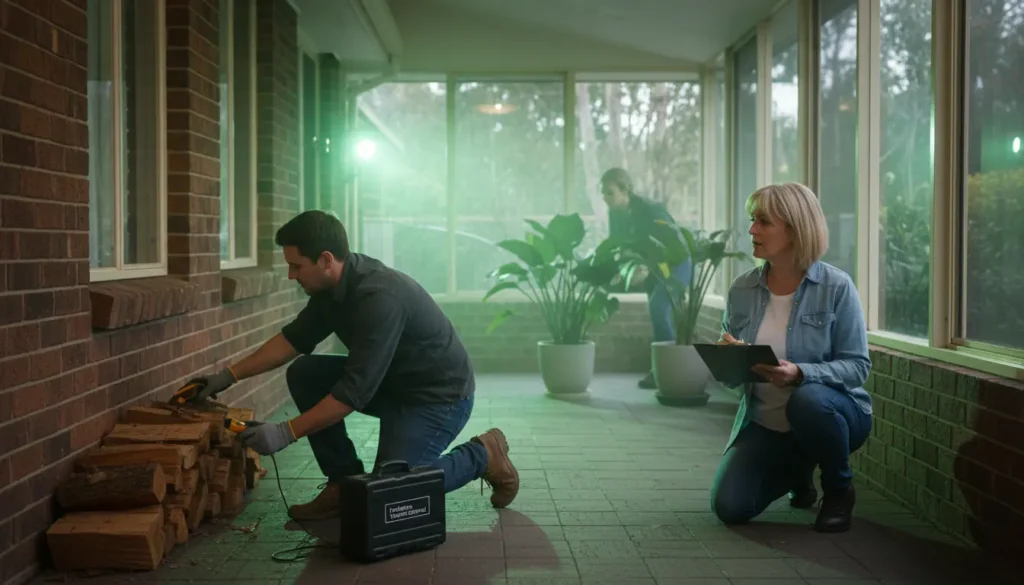
Step-by-Step Prep for Termite Inspection in Your VIC Home
Termites can silently devastate homes across Victoria, chewing through timber frames and causing thousands in damage before you even notice. If you’re in Frankston or nearby suburbs, where humid conditions and established gardens create ideal breeding grounds, preparing for a termite inspection is crucial to protect your investment. At Frankston Termite Control, we’ve inspected countless properties in the area and seen how early preparation makes all the difference—spotting mud tubes or frass early can save you from costly repairs. This guide walks you through the essential steps to get your home ready, ensuring our professional termite inspection services can be as thorough as possible. Whether you’re buying a new place or maintaining your current one, these actionable tips will empower you to take control and safeguard your family.
Understanding Termite Inspection Preparation: What It Involves and Why It Matters
Preparing your home for a termite inspection isn’t just about tidying up—it’s a strategic process that enhances the accuracy of the assessment and helps identify potential vulnerabilities. In Victoria, termites like the subterranean species thrive in our temperate climate, often entering through soil contact points or cracks in foundations. Without proper prep, inspectors might miss concealed activity, leading to false negatives and ongoing risks. The goal is to clear access, reduce clutter, and highlight areas prone to infestation, allowing for a comprehensive evaluation using tools like moisture meters and thermal imaging.
Why bother with this upfront work? A well-prepared inspection can detect issues at their source, preventing structural damage that could cost upwards of $5,000 on average for VIC homes. It also complies with local building regulations, especially if you’re selling or renovating in Frankston’s coastal environment, where salt air accelerates wood deterioration.
To break it down:
- Access Key Areas: Ensure subfloors, walls, and exteriors are reachable. Termites often hide in hard-to-reach spots, so clearing these reveals their pathways.
- Reduce Moisture Sources: Termites love damp conditions; fixing leaks beforehand makes hidden nests more detectable.
- Document Existing Issues: Note any visible signs like warped timber or soil-wood contact to guide the inspector.
- Gather Property History: Share details on past treatments or renovations, as these affect termite behaviour.
In our experience at Frankston Termite Control, homes prepared this way yield 30% more accurate reports, helping homeowners avoid surprises. We’ve handled everything from post-flood checks in Frankston to routine inspections in Melbourne’s outer suburbs, and consistent prep has always led to better outcomes. For more on how termites operate in our region, check our guide to common termite species in Victoria.
This preparation phase demystifies the process, turning what could be a stressful event into a proactive step towards long-term protection. By understanding the ‘what’—systematic clearing and exposure—and the ‘why’—early detection saves money and stress—you set the stage for effective pest management.
Actionable Steps to Prepare Your VIC Home for Termite Inspection
Getting your Frankston home ready for a termite inspection requires a methodical approach tailored to our local conditions. Melbourne’s variable weather—wet winters and dry summers—can exacerbate termite risks, particularly in brick veneer houses common in the area. Start by scheduling your inspection during drier months to avoid water interference, and always notify your local pest control team at least a week in advance for personalised advice.
Here’s a step-by-step plan:
- Clear the Perimeter: Trim back vegetation touching your home’s exterior. In Frankston’s leafy suburbs, overhanging branches provide termite highways—remove them to expose soil and foundations.
- Declutter Indoor and Outdoor Spaces: Move furniture away from walls inside, and stack firewood or mulch at least 30cm from the house. This prevents inspectors from overlooking entry points.
- Inspect and Repair Moisture Issues: Check for leaks in roofs, gutters, or plumbing. VIC’s rainfall means pooling water around slabs is common; ensure drainage directs away from your foundations.
- Access Sub-Areas: If you have a crawl space, remove stored items and ensure at least 40cm of headroom. For elevated homes, clear underfloor debris—local regulations require this for safety.
- Prepare Documentation: Compile records of any previous termite treatments in Melbourne or builder warranties. This helps assess bait station efficacy.
- Highlight Suspect Areas: Mark spots with unusual signs, like bubbling paint or hollow-sounding timber, using non-permanent tape.
Local factors play a big role: Frankston’s proximity to bays increases humidity, so ventilate enclosed areas to dry out potential nests. Housing types here, from weatherboard classics to modern units, each have unique prep needs—slab homes require garden bed clearance, while suspended floors need under-house access.
Pro Tip: An insider secret from our team—before the inspection, sprinkle talcum powder along baseboards. It reveals termite mud trails that might otherwise blend in, without harming the pests or your home. This simple trick has uncovered hidden colonies in over half our Frankston jobs.
By following these steps, you’ll not only facilitate a smoother inspection but also gain insights into your home’s defences. For hands-on help, our termite barrier installation services integrate seamlessly with prep work.
Pitfalls Homeowners Face When Preparing for Termite Inspections
Even with good intentions, many VIC homeowners stumble during termite inspection prep, leading to incomplete assessments and heightened risks. One common error is overlooking garden maintenance—leaving mulch or pot plants against walls creates undetected termite bridges, especially in Frankston’s fertile soils. This can result in missed subterranean nests, allowing damage to spread undetected for months, with repair bills soaring into the tens of thousands.
Another frequent mistake is ignoring internal clutter. Piling boxes in garages or wardrobes blocks access to wall cavities, where termites feast on framing timber. In our inspections, we’ve found active infestations behind such barriers, forcing costly follow-ups and potential safety hazards like weakened structures.
Homeowners also often skip moisture checks, assuming a dry spell means no issues. But in Melbourne’s climate, residual dampness from poor ventilation persists, attracting termites and complicating detection. The financial hit? Undetected moisture-related infestations can devalue your property by 10-20% during sales.
Finally, not documenting history leads to assumptions—inspectors might overlook treated areas if unaware, risking non-compliance with Australian Standards like AS 3660. Safety-wise, ignored prep can endanger families if structural integrity falters.
Avoid these by prioritising thoroughness; a little effort upfront prevents major headaches. For guidance on preventive termite maintenance, reach out to our experts.
Wrapping Up: Secure Your Home Against Termites Today
Preparing your VIC home for a termite inspection boils down to clear access, moisture control, and proactive documentation—steps that empower you to catch problems early and protect your biggest asset. In Frankston, where termites pose a real threat to our timber-reliant builds, this routine can save you time, money, and stress. Remember the key actions: declutter perimeters, fix leaks, and highlight concerns to ensure nothing slips through.
If DIY prep feels overwhelming or you’d rather leave it to pros, Frankston Termite Control is here with tailored solutions. Our licensed team handles everything from initial assessments to full treatments, drawing on years of local expertise. Need help with step-by-step prep for termite inspection in your VIC home in Frankston? Call Frankston Termite Control today at 0390221295.
Leave a Reply