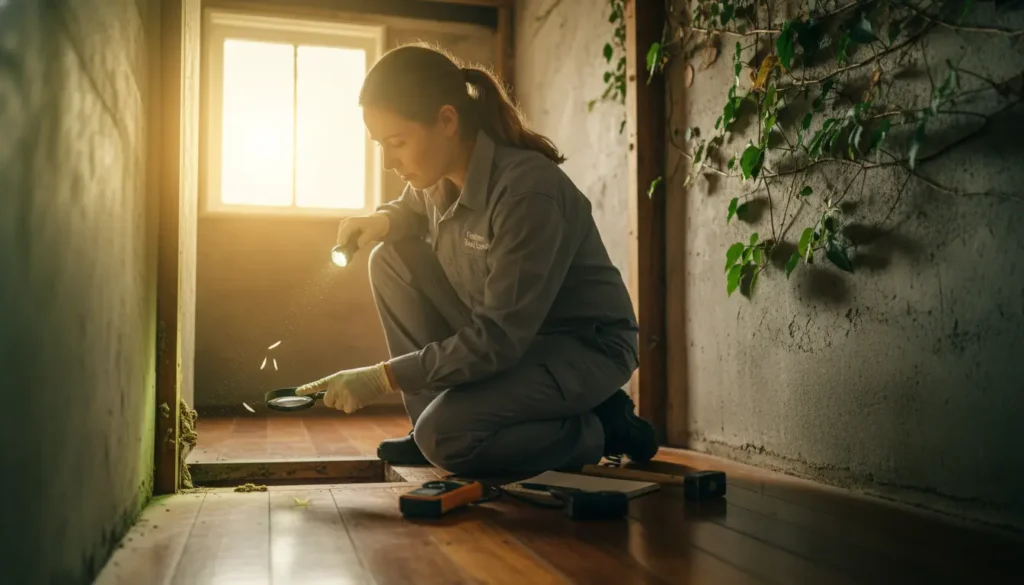
How to Spot Termites Early: Guide for Melbourne Locals
Living in Melbourne’s humid climate means termites are a constant threat to homes and businesses across the suburbs. These silent destroyers can chew through timber structures undetected, leading to thousands in repairs if not caught soon enough. As a local in Frankston or nearby areas, you might notice subtle changes in your property that signal an infestation. At Frankston Termite Control, we’ve inspected countless homes in the region and seen how quickly termites can escalate from minor issues to major structural damage. This guide empowers you with practical knowledge to identify early warning signs, helping you protect your investment without delay. We’ll cover the essentials, from visual cues to professional detection methods, tailored to Melbourne’s unique conditions like our wet summers and variable soils. By acting early, you can avoid the heartbreak of watching your home deteriorate.
Understanding Termite Signs in Melbourne Homes
Termites, particularly subterranean and drywood varieties common in Victoria, thrive in Melbourne’s temperate environment. They feed on cellulose in wood, causing hidden damage that weakens foundations, walls, and roofs over time. Spotting them early is crucial because once established, colonies can number in the millions, spreading rapidly through soil moisture from our frequent rains. The ‘what’ involves recognising physical evidence left by termites as they forage and build nests. The ‘why’ is simple: early detection prevents extensive, expensive remediation and preserves your property’s value in a competitive housing market like Frankston’s.
To break it down:
-
Mud Tubes: These pencil-thick tunnels, made from soil and termite saliva, run along foundations or walls. In Melbourne’s clay-rich soils, they often appear after heavy downpours, providing termites safe passage from ground to wood.
-
Swarmers and Wings: Flying termites, or alates, emerge during warmer months, especially spring in our region. Look for discarded wings near windowsills or lights – a telltale sign of a mature colony nearby.
-
Wood Damage: Tap wooden beams; a hollow sound indicates internal hollowing. Frass, or termite droppings resembling sawdust, piles up in affected areas, though it’s finer than ant debris.
-
Stuck Doors or Windows: Warped frames from moisture-loving termites can cause sticking, often mistaken for humidity issues in Melbourne’s variable weather.
- Bubble-Like Blisters: On painted surfaces, these appear as raised, moisture-trapped spots where termites have fed beneath.
In our experience at Frankston Termite Control, many locals overlook these signs until it’s too late, especially in older weatherboard homes prevalent in the area. We’ve found that subterranean termites, drawn to the moisture around leaky pipes common in Victorian plumbing, account for over 80% of infestations we treat. Understanding these indicators not only saves money but also complies with Australian building standards that require proactive pest management. For more on termite biology, check our detailed guide to termite species in Victoria.
Actionable Steps to Detect Termites in Your Frankston Property
Detecting termites requires a systematic approach, adapted to Frankston’s coastal influences like salty air and sandy soils that accelerate wood decay. Start with a visual inspection during drier months when mud tubes are more visible, but remember, professional tools reveal hidden activity. Here’s how to proceed:
-
Inspect Foundations and Exteriors: Walk around your home’s perimeter, focusing on soil-wood contact points. In Frankston, where homes often sit on reactive clays, check for cracks in brickwork where termites enter. Use a torch to peer into voids.
-
Check Indoor Areas: Examine crawl spaces, attics, and skirtings. Melbourne’s humidity fosters drywood termites indoors, so look for pinholes in furniture or flooring.
-
Monitor Moisture Levels: Termites need damp conditions; test with a moisture meter around bathrooms and laundries. Local regulations under the Building Act 1993 emphasise preventing moisture buildup to deter pests.
- Use Bait Stations: Place monitoring stations in your yard – effective in our suburban gardens with native plants that retain soil moisture.
Local factors play a big role: Frankston’s proximity to the bay means higher humidity, increasing risk in elevated homes on stumps. Housing types like brick veneer, common here, hide termite activity behind cavities. If you’re in a unit or townhouse, shared walls amplify spread risks.
Pro Tip: An insider secret from our inspections – listen for faint clicking sounds in quiet walls at night; it’s termite soldiers head-butting to communicate. This auditory cue, often missed, can prompt early professional termite inspections in Frankston before visible damage shows.
For hands-on help, consider scheduling a routine termite check-up service tailored to Victorian homes. These steps, when done quarterly, can catch issues before they escalate, saving you from the $5,000+ average repair bill in our area.
Pitfalls Homeowners Face When Spotting Termites
Many Melbourne locals confuse termites with less destructive pests, delaying action and allowing colonies to grow unchecked. A common mistake is dismissing mud tubes as ant trails or soil buildup – ants build above ground, while termites tunnel below, leading to undetected foundation erosion. Ignoring swarmers as ‘flying ants’ is another error; true ants have unequal wings, unlike termites’ even pairs. This misidentification can result in safety risks, like weakened beams causing collapses, especially in our earthquake-prone state.
Financially, postponing inspections due to cost concerns backfires – early treatment at $300-500 pales against $10,000+ in structural fixes. Over-relying on DIY sprays without addressing entry points invites reinfestation, as Melbourne’s weather washes away barriers quickly. Business owners in Frankston often neglect commercial properties, assuming insurance covers it, but policies exclude preventable damage, hitting profits hard.
Avoid these by educating yourself and seeking expert termite advice from locals. The risks? Compromised home integrity, health hazards from mould in damaged areas, and devalued property in a tight market.
Wrapping Up: Protect Your Melbourne Home Today
Spotting termites early hinges on vigilance for signs like mud tubes, swarmers, and hollow wood, especially in Frankston’s moist climate. By following our inspection tips and avoiding common pitfalls, you can safeguard your property proactively. Remember, termites don’t wait – acting now prevents costly surprises.
If DIY checks raise concerns or you’d rather leave it to pros, Frankston Termite Control offers reliable, tailored solutions for Melbourne locals. Our team specialises in thorough inspections using advanced thermal imaging, ensuring peace of mind with fair pricing and no-obligation quotes. For more on prevention, explore our termite barrier installation services.
Need help with termite spotting in Frankston? Call Frankston Termite Control today at 0390221295.
Leave a Reply