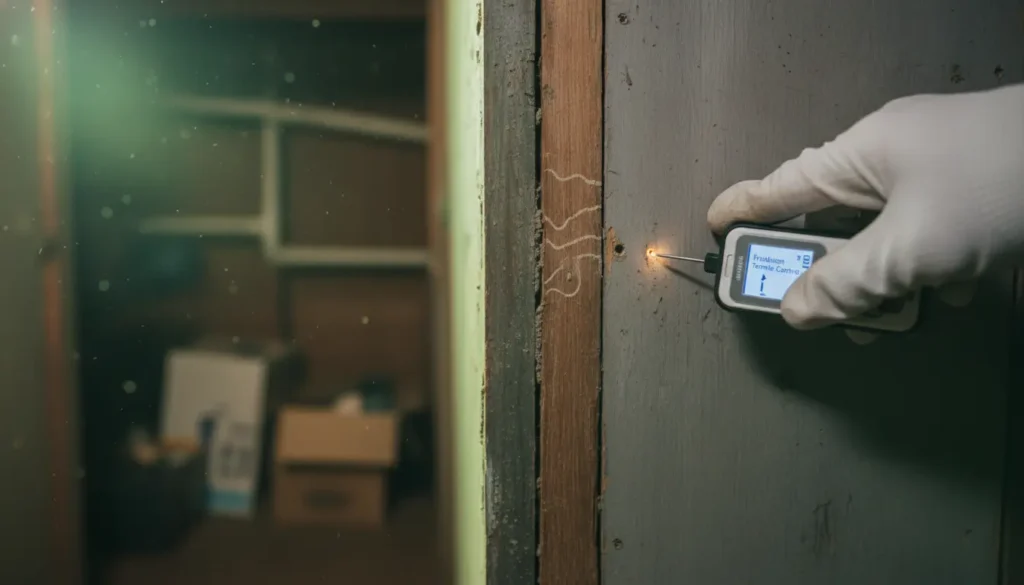
Living in Frankston, with its coastal climate and established homes, means termites are a constant threat lurking beneath the surface. These silent destroyers can chew through timber frames, walls, and foundations without a sound, potentially costing homeowners thousands in repairs. At Frankston Termite Control, we’ve inspected countless properties in the area and seen firsthand how overlooked signs lead to major infestations. If you’re a homeowner or property owner in Frankston or nearby suburbs like Seaford or Baxter, spotting these hidden clues early can save your investment. In this post, we’ll reveal the subtle indicators of termite activity specific to our local environment, from mud tubes in damp areas to the telltale frass that blends into garden mulch. By understanding these signs, you’ll gain the knowledge to act swiftly and protect your home. Whether it’s a classic weatherboard house or a modern brick build, vigilance is key in our humid Victorian conditions.
Understanding the Hidden Signs of Termites in Frankston Homes
Termites, often called white ants in Australia, are wood-eating insects that thrive in the warm, moist conditions common to Frankston’s coastal location. Unlike visible ants, termites work out of sight, tunnelling through soil and wood to access moisture-rich areas. The core concept here is recognising their concealed presence before structural damage becomes evident. In Frankston, where heavy rains and proximity to the sea create ideal breeding grounds, subterranean termites are particularly prevalent, accounting for most infestations we encounter.
What makes these signs ‘hidden’? Termites avoid light and air, so their activity manifests indirectly. For instance, they build protective mud shelters to travel between soil and wood, shielding themselves from drying out. These tubes can be as thin as a pencil and often go unnoticed along foundations or inside wall cavities.
Why is early detection crucial? Undetected termites can weaken a home’s integrity over months or years, leading to sagging floors, cracked walls, or even collapse in severe cases. In our experience at Frankston Termite Control, properties near the waterfront or with poor drainage see faster progression due to higher soil moisture levels.
To help you identify these signs, here’s a breakdown:
- Mud Tubes: Look for thin, mud-like tunnels along exterior walls, especially near garden beds or retaining walls. In Frankston’s clay-heavy soils, these can blend with natural dirt but feel hollow when probed.
- Wood Damage: Tap wooden elements like door frames or skirting boards; a hollow sound indicates internal hollowing. Termites digest the cellulose, leaving a fragile shell.
- Frass or Droppings: Drywood termites leave pellet-like faeces resembling sawdust near infested wood. Subterranean types produce less visible waste, but check for tiny holes in furniture.
- Swarmers: Winged termites emerging indoors during warmer months signal a mature colony. In Frankston’s spring and summer, these alates often fly towards lights after rain.
- Blistering Paint or Bubbling Walls: Moisture from termite activity causes paint to bubble on internal surfaces, a subtle sign in humid homes.
- Stuck Doors or Windows: Swollen timber from termite moisture can jam fittings, mimicking humidity effects but persisting.
These indicators are tailored to Frankston’s environment, where eucalyptus mulch in gardens attracts foraging termites. For more on subterranean termite behaviour in Victoria, our guides offer deeper insights. Remember, not all damage is termite-related—professional verification is essential to rule out borers or fungi.
How to Inspect for Hidden Termite Signs in Your Frankston Home
Conducting a DIY inspection is a practical first step for Frankston homeowners, but it requires a systematic approach influenced by local factors like our subtropical climate and common housing styles. Frankston’s older homes, often built with timber frames elevated on stumps, are prime targets, while newer brick veneer constructions hide activity in subfloors. Regulations under the Building Act 1993 mandate termite management for new builds, but existing properties rely on vigilant owners.
Start with a perimeter check: Walk around your home’s exterior, focusing on north-facing walls where sun exposure dries soil unevenly, forcing termites deeper. Use a screwdriver to probe suspect areas—soft wood yields easily. In Frankston’s wet winters, inspect after rain when tubes are more visible.
Indoors, examine high-moisture zones like bathrooms and laundries. Lift carpets near walls and check for live termites, which appear creamy-white and segmented. For elevated homes common in our hilly suburbs, access subfloor spaces with a torch; look for soil-wood contact points.
Local weather plays a role: Our high humidity (averaging 70% annually) accelerates termite metabolism, making seasonal checks vital. Combine this with moisture meters for damp spots, as termites need water to survive.
Here’s a step-by-step guide:
- Gather Tools: Torch, screwdriver, ladder, and moisture meter. No need for fancy gear—basic items suffice.
- Exterior Scan: Clear vegetation within 1 metre of foundations, as per Australian Standards, to expose tubes.
- Interior Probe: Test timber in kitchens and wardrobes; avoid electrical areas for safety.
- Roof and Ceiling: Use binoculars for attic access points; termites climb via branches overhanging eaves.
- Garden Check: Inspect mulch and tree stumps—Frankston’s parks and backyards harbour colonies.
- Document Findings: Take photos and note locations for professional termite inspections in Frankston.
Pro Tip: In Frankston’s sandy soils near the beach, termites often enter via weep holes in brickwork. Seal these with mesh screens as an insider secret to block access without chemicals— a simple fix that prevents 30% of entry points, based on our inspections.
If you’re unsure, our termite prevention strategies page details non-toxic barriers suited to local regulations. Regular checks, ideally biannual, align with Victoria’s pest control guidelines and can extend your home’s lifespan.
Common Mistakes Homeowners Make When Spotting Termite Signs in Frankston
Many Frankston residents underestimate termites, mistaking signs for general wear and tear, which delays intervention and amplifies damage. A frequent error is ignoring subtle clues like minor creaking floors, attributing them to the area’s shifting sands rather than termite hollowing. This oversight can lead to structural failure, with repair costs soaring from $2,000 for early treatment to over $20,000 for full rebuilds.
Another pitfall: Relying solely on visual checks without tools. In our coastal climate, salt-laden air disguises mud tubes as dirt smudges, allowing colonies to grow unchecked. Homeowners also neglect subfloor inspections in pier-and-beam homes, common in Frankston’s older stock, missing 70% of subterranean activity per industry stats.
DIY treatments without diagnosis is risky—applying surface sprays ignores the nest, potentially driving termites deeper and worsening spread. Financially, this means repeated expenses; safety-wise, weakened beams pose collapse hazards during storms, frequent in our region.
Business owners in commercial spaces like shops on the Nepean Highway err by skipping annual audits, as required under some leases, leading to liability issues. For tailored advice, explore our termite barrier installation services.
Avoid these by scheduling professional assessments; ignoring them risks not just your wallet but your home’s safety in Frankston’s termite-prone environment.
Wrapping Up: Protect Your Frankston Home from Termite Threats
Spotting hidden signs of termites in Frankston homes— from mud tubes and frass to structural anomalies—empowers you to safeguard your property proactively. We’ve covered the essentials: understanding these subtle indicators, conducting thorough inspections with local considerations, and steering clear of common errors that escalate problems. Early action in our moist climate can prevent devastating damage and preserve your home’s value.
At Frankston Termite Control, we’ve helped hundreds of locals with reliable, no-fuss solutions tailored to Frankston’s unique challenges. If you’d rather leave it to the experts for peace of mind, our team offers comprehensive inspections using advanced thermal imaging. Need help discovering hidden signs of termites in Frankston homes? Call Frankston Termite Control today at 0390221295.
Leave a Reply