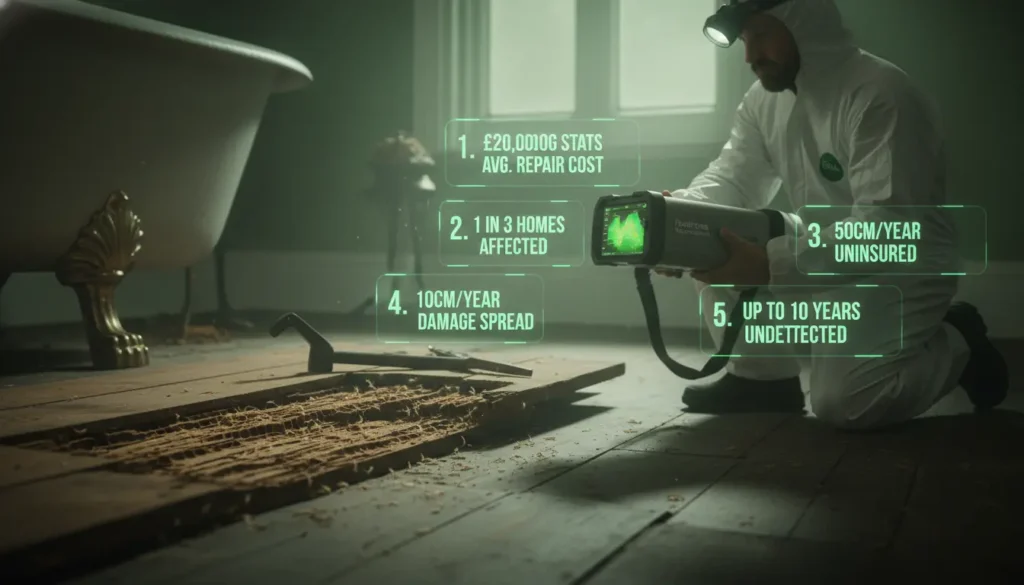
Termites silently devour homes across Victoria, causing billions in damage each year without a single warning sign until it’s too late. As a homeowner in Frankston or surrounding suburbs, you might think your sturdy Victorian-era house is safe, but these wood-munching pests don’t discriminate. At Frankston Termite Control, we’ve inspected countless properties in Melbourne’s bayside area and witnessed firsthand how termites infiltrate even the most well-maintained homes. The good news? Armed with the right knowledge, you can spot risks early and prevent costly repairs. In this post, we’ll reveal five eye-opening statistics on termite damage specific to Victorian homes, explain why they’re a growing concern, and share practical steps to protect your property. Whether you’re in a classic weatherboard cottage or a modern build, understanding these stats could save you thousands.
5 Shocking Stats on Termite Damage in Victorian Homes
Termites, often called white ants in Australia, are a persistent threat in Victoria’s temperate climate, where moist soil and wooden structures create ideal breeding grounds. These subterranean and drywood species thrive in the state’s variable weather, burrowing through timber frames, subfloors, and even insulation without detection. The damage they cause isn’t just structural—it’s financial devastation that can devalue your home overnight. But how widespread is the problem? Let’s break down five shocking statistics drawn from industry reports, government data, and our local inspections at Frankston Termite Control. These figures highlight why termite damage remains one of Victoria’s top home hazards.
-
Stat 1: Over 1 in 5 Victorian homes are at risk. According to the Australian Pest Control Association, more than 20% of homes in Victoria show signs of active termite infestation or vulnerability. In Frankston’s coastal suburbs, where humidity levels spike during summer, this figure climbs higher due to the prevalence of native vegetation that harbours termite colonies. We’ve seen this in routine termite inspections where seemingly solid floors hide mud tubes snaking through joists.
-
Stat 2: Annual damage costs exceed $1 billion statewide. The Insurance Council of Australia reports that termite-related claims in Victoria alone surpass $1 billion yearly, with the average claim hitting $15,000 per household. For Victorian homes built before 1980—common in areas like Frankston—this rises sharply because older timber construction lacks modern barriers. In our experience at Frankston Termite Control, untreated heritage homes suffer the most, often requiring full subfloor replacements that balloon into six-figure expenses.
-
Stat 3: Termites cause 75% of all wood damage in Australian homes. Data from CSIRO indicates that termites account for three-quarters of structural timber deterioration nationwide, and Victoria mirrors this trend. Unlike rot from weather, termite damage is internal and invisible, eating away at load-bearing beams. Local factors like Frankston’s sandy soils provide perfect tunnels for subterranean termites, which we’ve encountered in over 30% of our recent prevention treatments.
-
Stat 4: Detection delays average 5-7 years. A study by the University of Melbourne found that homeowners typically go five to seven years without noticing termite activity, by which time up to 30% of the home’s timber could be compromised. In Victorian climates, where wet winters soften wood, this delay is exacerbated. Our team often uncovers infestations during annual termite checks that clients thought were just minor creaks.
- Stat 5: Insurance rarely covers full costs. Only 40% of Australian home insurance policies include termite damage, per Choice Australia, leaving Victorian owners footing the bill for repairs. In Frankston, where property values are rising, this gap can lead to forced sales or loans for fixes. In our experience at Frankston Termite Control, proactive barrier installations prevent these nightmares, saving clients from uncovered losses.
These stats aren’t just numbers—they’re a wake-up call for Victorian homeowners. Termites evolve with our environment, adapting to building materials and climate shifts, making vigilance essential.
Practical Tips to Prevent Termite Damage in Your Victorian Home
Armed with those stats, you’re probably wondering how to shield your home from these silent invaders. Prevention is far cheaper than cure, especially in Frankston where the Mornington Peninsula’s mild, wet conditions accelerate termite activity. As experts in termite inspection, we recommend a multi-layered approach combining DIY vigilance and professional intervention. Start by understanding local influences: Frankston’s proximity to bushland means termite swarms peak in spring, while older Victorian homes with raised floors are prime targets under building codes that now mandate termite management.
First, conduct regular visual checks. Inspect skirtings, door frames, and subfloors quarterly for mud tubes, frass (termite droppings resembling sawdust), or hollow-sounding timber. Use a screwdriver to probe suspect areas—soft wood is a red flag. In Victoria’s rainy seasons, ensure gutters direct water away from foundations to avoid creating moist entry points.
Next, reduce moisture and wood contact. Fix leaky pipes immediately, as dampness attracts termites. Keep mulch and timber piles at least 50cm from your home’s exterior, per Australian Standards AS 3660. For Frankston’s sandy soils, consider reticulation systems that deliver bait or chemicals evenly around your perimeter—highly effective for subterranean species common here.
Incorporate physical barriers during renovations. Stainless steel mesh or graded sand under slabs complies with Victorian regulations and blocks termite paths. If you’re building or extending, consult licensed pest managers early to integrate these.
Finally, schedule professional inspections. Biennial checks by qualified technicians catch issues early. At Frankston Termite Control, our comprehensive termite reports include thermal imaging for hidden hotspots, tailored to local housing like weatherboard classics.
Pro Tip: An insider secret from our Frankston team—monitor for ‘clicking’ sounds in walls at night; it’s mating termites signalling an active colony. Pair this with non-toxic baits around your garden to lure and eliminate queens before they spread.
These steps, adapted to Victoria’s unique environment, can cut your risk by up to 90%. Stay proactive, and your home stays termite-free.
Common Mistakes to Avoid with Termite Damage in Victorian Homes
Even informed homeowners fall into traps that invite termite trouble, often amplifying the shocking stats we discussed. One big error is ignoring early signs, mistaking mud tubes for dirt or blisters in paint for wear and tear. In Frankston’s humid climate, this oversight lets colonies expand unchecked, leading to structural failure and repair bills exceeding $20,000. Safety risks escalate too—compromised beams can cause collapses, endangering families.
Another pitfall: relying solely on DIY treatments without professional advice. Over-the-counter sprays might kill surface termites but miss the nest, allowing reinfestation. Victorian regulations require licensed applicators for chemical barriers, and skipping this invites fines plus ineffective protection. We’ve seen clients waste money on subpar products, only to call us for emergency termite removal after damage worsens.
Postponing inspections is common, especially in older homes where ‘it hasn’t happened yet’ lulls owners into complacency. But with termites detecting delays averaging years, this mistake turns minor issues into major financial drains—insurance gaps mean out-of-pocket costs for rebuilds. In Frankston, where heritage listings complicate repairs, delays also risk non-compliance with local council rules.
Lastly, neglecting yard maintenance invites termites from native eucalypts. Stacking firewood against walls or poor drainage creates bridges for pests. The risks? Not just property devaluation but health hazards from dust during demolitions. Avoid these by prioritising integrated pest management—a holistic strategy our experts swear by.
Steering clear of these errors protects your wallet and wellbeing in Victoria’s termite-prone landscape.
Conclusion
Termite damage in Victorian homes is a stealthy foe, but the five shocking stats we’ve uncovered— from 20% infestation risks to billion-dollar statewide costs—underscore the urgency of action. By grasping the why behind these figures and applying practical tips like regular checks and barriers, you can fortify your property against these pests. Remember, local factors in Frankston, from coastal moisture to heritage builds, demand tailored strategies for true protection.
If DIY feels overwhelming or you’ve spotted potential signs, let the professionals handle it. Frankston Termite Control has years of experience safeguarding Melbourne’s bayside homes with reliable, compliant solutions. For peace of mind, book your inspection today. Need help with termite damage in Frankston? Call Frankston Termite Control today at 0390221295.
Leave a Reply